

Home gyms an average of prioritize small and versatile equipment. Resistance companies, flexible weights, gym equipment, and foldable benches are among the most popular choices. Reports indicate that more than 606 of home exercise space people spend money on multi-purpose machines that allow both muscle building and cardio in a limited space. Small treadmills and rowing models are significantly favored due to their dual functionality.
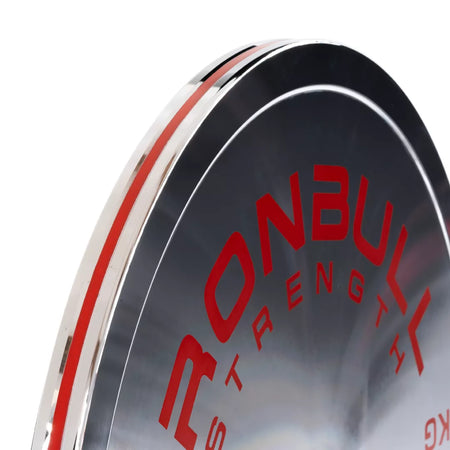
What equipment is required for professional gyms?
Industrial gyms focus on toughness and variety. Key machines include treadmills, ellipticals, fixed cycles, weight heaps, wire models, and squat racks. According to business studies, commercial gyms spend typically 40% of their gear budget in aerobic machines, showing the high need for cardio-based fitness programs.
How can cost change between home and professional equipment?
Home fitness space gear may vary from $100 for a couple of dumbbells to $3,000 for reasonably limited treadmill. Professional equipment is now more expensive because of powerful construction, averaging $2,000–$10,000 per machine. Despite higher upfront fees, professional gear is made for daily major application and lengthier lifespans.
Are house gyms becoming more popular?
Yes. Surveys show that almost 50% of conditioning lovers have invested in home gym configurations since 2020. The convenience of exercising in the home and the rise of virtual fitness applications have pushed that trend. Compact, multi-functional equipment is very desirable for smaller residing spaces.
How do safety and longevity differ between house and commercial equipment?
Professional models are manufactured for repeated daily use and often contain strengthened frames, higher weight volumes, and advanced protection features. Home equipment, while secure for private use, might not tolerate intensive consumption over multiple hours each day.
What styles are surrounding fitness center equipment in 2026?
Intelligent conditioning products, app integration, and attached equipment are key trends. For example, treadmills with electronic teaching, rowing devices with performance checking, and AI-enabled strength methods are developing traction in equally industrial and house settings. Data show a 30 % upsurge in revenue of wise conditioning equipment before two years.
How do commercial gyms choose which equipment to purchase?
Commercial gyms analyze member use patterns, space accessibility, and maintenance requirements. Cardiovascular machines are usually the best goal, accompanied by opposition education equipment. Data-driven conclusions ensure that investment aligns with client preferences and increases consumption efficiency.
What must first-time customers contemplate for a home exercise space?
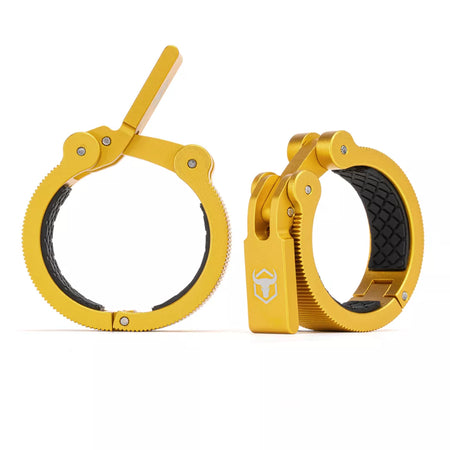
Beginners must concentrate on space efficiency, multi-functionality, and steady scalability. Beginning with variable dumbbells, a seat, weight artists, and a treadmill or elliptical is recommended. Long-term developments reveal that homeowners increasingly prefer equipment that adjusts to diverse workouts without occupying extortionate space.
Is there environmental or sustainability developments in gymnasium equipment?
Yes, eco-friendly resources and energy-efficient products are trending. Some treadmills and cycles are created to produce energy while in use, and makers are increasingly applying recycled materials. Market examination shows that environmentally aware exercise people are influencing gear production.
So how exactly does equipment selection affect work out outcomes?
The right equipment improves performance, adherence, and damage prevention. House customers benefit from ease and personalized exercises, while industrial gyms present diverse devices that goal multiple conditioning goals. Knowledge suggests regular usage of proper equipment improves energy, cardiovascular wellness, and flexibility by 20–30% around six months.